
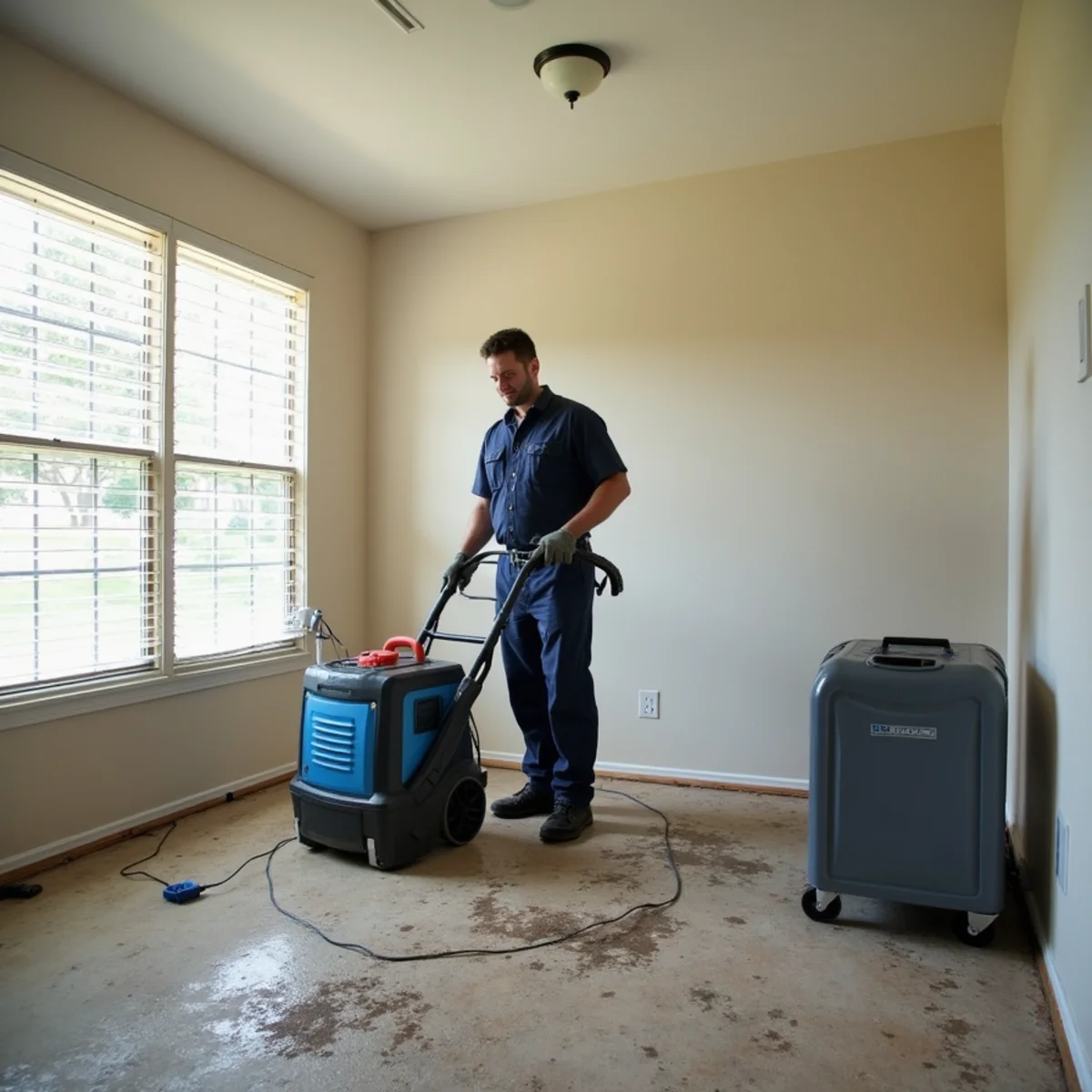
Katy, TX · Harris, Fort Bend & Waller counties
24/7 Water Damage Restoration in Katy, TX
Burst pipe, attic water heater, flood or sewage backup: we get the water out and the house dried before mold gets a start. A live person answers any hour and sends the nearest available crew.
- 24/7 live answer
- Insured restoration technicians
- Photos and moisture readings for your claim
By the Hydrosphere Restoration Pros team · Updated
Water doesn’t stay where you see it
A burst supply line, an overflowing washer, a sewage backup or a Gulf storm can turn one wet room into a structural problem fast. In a Katy two-story, water runs through the upstairs floor, behind drywall, under flooring and along the slab edge before the first stain shows.
The clock is real. In hot, humid southeast Texas air, mold can start within 24 to 48 hours, and running fans or the AC through sewage or floodwater spreads what is in it.
Water damage restoration in Katy, TX should follow four words: inspect, extract, dry, verify. The crew finds the source and the category, maps the moisture, pulls the water, dries the structure, and proves it with readings before anything is closed up. Those records support your claim; your insurer decides coverage.
Water coming in right now?
Do these four things, then call
- 1Close the main water shut-off. In most Katy homes it is in the meter box by the street; many also have a house valve in the garage or near the water heater.
- 2If water is near outlets or the panel, stay out. Switch off breakers only from a dry spot.
- 3Photograph the source and every wet room before you move anything.
- 4Call (831) 303-1192. We answer 24/7 and start dispatch on the call.
Sewage or floodwater? Keep kids and pets out, don't run fans or the AC across it, and don't try to mop it. That is Category 3 water and needs a crew with protective gear.
Call (831) 303-1192Full checklist: the first hour after water damage.
The first 30 minutes in detail
Photograph before anything moves
- When you found it, and whether the water is still running
- Wide shots of every wet room, then close-ups of stains and swelling
- Video of drips, ceiling stains and where storm water came in
- Serial numbers of damaged appliances and valuables
- Receipts for anything you buy to protect the house
Three things not to do
- Don’t use a household vacuum on standing water.
- Don’t run fans or the AC across sewage or floodwater.
- Don’t cut drywall or pull flooring before photos and a scope, unless it is a safety hazard.
Your job is containment, not cleanup. Gloves do not make sewage or floodwater safe to handle.
Tell the dispatcher
- The source: supply line, appliance, roof or door, sewage or storm water
- Whether power is affected and whether anyone is still inside
- Which rooms and materials are wet (ceiling, drywall, floors, cabinets)
- What to avoid before the crew arrives
If drywall, flooring, insulation or cabinets are wet, call within the first 24 hours.
What we handle
Restoration services for Katy homes
Seven kinds of damage, one number. Each page explains how the work is done in a Katy home, what it involves and what to ask before anyone starts.
Water Extraction and Drying
Standing water, soaked carpet or wet drywall after a leak or storm. Crews pull the water out with truck-mounted and portable extractors, map hidden moisture with meters and thermal imaging, then dry the structure with air movers and dehumidifiers, logging readings every day until materials reach dry targets.
Learn moreBurst Pipe and Leak Water Damage
Burst pipes, attic water heater failures, washer hoses and slab leaks. Once the plumber stops the leak, crews dry ceilings, walls, cabinets and floors, with extra care in two-story Katy homes where attic plumbing sends water through the ceiling and down into both floors.
Learn moreFlood Damage Cleanup
Floodwater from heavy rain, overflowing creeks or a tropical storm. Crews muck out mud and debris, make flood cuts in wet drywall, remove soaked insulation and flooring, sanitize the studs and slab, and dry the structure with documented readings so rebuilding starts on a clean, dry house.
Learn moreSewage Backup Cleanup
Sewage backing up through a tub, toilet or floor drain. Crews contain the area, remove raw sewage and contaminated materials, clean and disinfect every hard surface, then dry the structure with daily readings, so the house is actually safe to use again rather than just looking clean.
Learn moreMold Remediation
Musty smell or visible growth after a leak? We send mold jobs only to TDLR-licensed remediation contractors who follow the licensed assessor’s protocol: containment, negative air, HEPA filtration and removal of damaged materials. We also make sure the moisture source gets fixed, so the growth doesn’t come straight back after clearance.
Learn more24/7 Emergency Water Damage
Water pouring through a ceiling or across the floor at 2 a.m.? A live person answers 24/7 and dispatches the nearest available insured technician for extraction, ceiling and floor protection, and drying. We also walk you through shutting off the main and staying safe while the crew is on the way.
Learn moreFire and Smoke Damage Restoration
After the fire department leaves, the work shifts to protecting what remains. Crews board up windows, tarp the roof, extract firefighting water, and clean dry smoke, wet smoke and kitchen protein residue. Odor treatment, contents pack-out and clear documentation for your adjuster follow, so the house is ready to rebuild.
Learn moreNot sure what you're dealing with?
Describe what you see and we'll tell you what kind of crew you need.
(831) 303-1192Local knowledge
Water damage we see in Katy homes
Katy is a young city in housing terms. The typical home here was built around 2003, most sit on slab-on-grade foundations over clay soil, and the two-story floor plans common in Cinco Ranch, Cane Island and Firethorne put a lot of plumbing overhead. That combination decides how water moves through a house and how long it takes to dry.
A leak in Old Katy near the MKT depot, in a 1980s ranch in Nottingham Country or in a new build in Elyson each behaves differently. Knowing the pattern means the technician checks the ceiling below the attic, the baseboards along the slab and the wall cavity behind the laundry before calling anything dry.
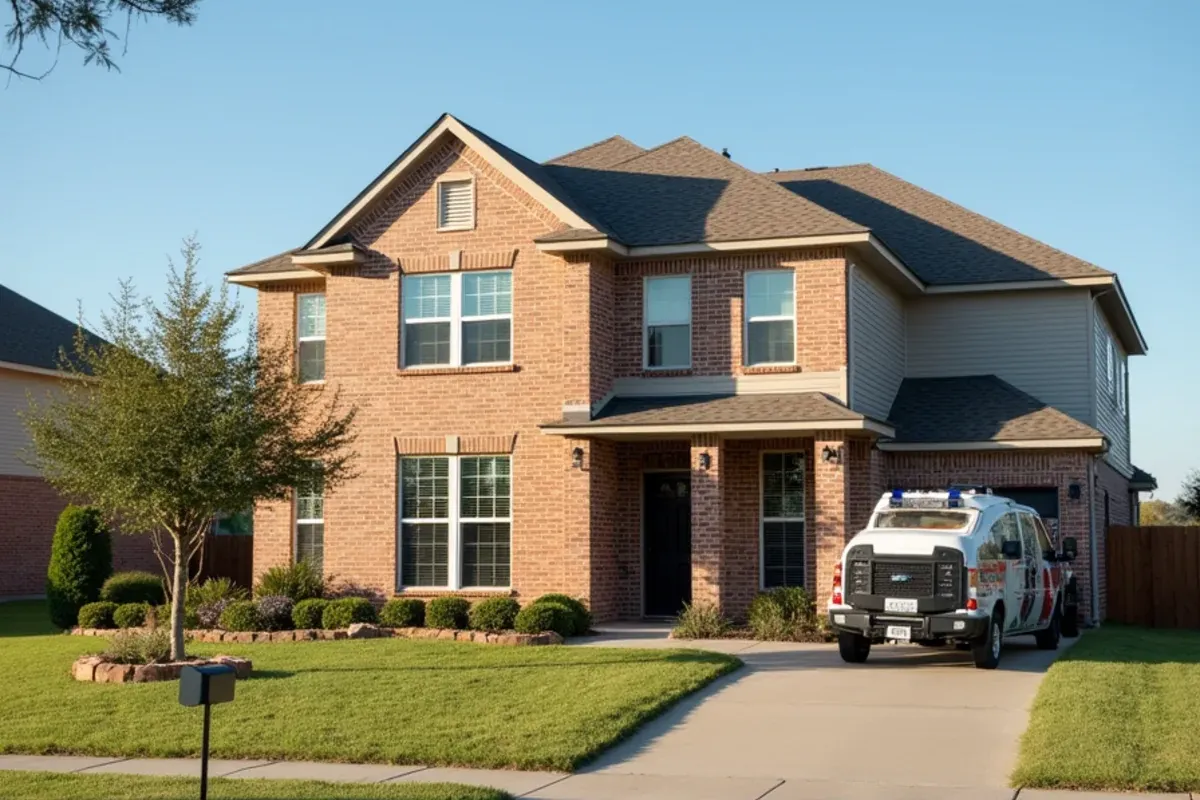
Attic water heaters and supply lines
Two-story Katy homes often put the water heater, air handler and supply lines in the attic. When a tank or fitting lets go, water comes down through the ceiling and can soak two floors before anyone sees it.
More on burst pipe and leak cleanupFreeze breaks
The February 2021 freeze split attic and exterior-wall pipes across the Katy area. Pipes rarely leak while frozen; the flood starts when they thaw, often while the family is away or asleep.
More on freeze prep for Katy homesWater hiding under slab-on-grade floors
Nearly every Katy home sits on a concrete slab over clay. Water spreads under tile, laminate and carpet pad and wicks into baseboards and the bottom of drywall, so a dry-looking floor can still read wet.
More on water extraction and dryingStorm and reservoir flooding
Flat prairie drains slowly through Cane Island Branch, Willow Fork and Mason Creek toward the Addicks and Barker reservoirs. Harvey flooded about 685 homes inside the city in 2017, and Beryl added roof leaks in 2024.
More on flood damage cleanupMold that moves fast in Gulf humidity
Wet drywall, carpet pad and framing can start growing mold within 24 to 48 hours. Katy’s humid air slows natural drying, which is why dehumidifiers and daily moisture readings matter more here than in drier climates.
More on mold remediation
Likely causes and the right first move
Flat prairie lots, clay soil that drains slowly, slab-on-grade floors, attic plumbing and the odd hard freeze shape how water gets into a Katy house. Use this to spot the likely path, not as a diagnosis; the inspection decides.
| Cause | Warning signs | Your first move | What the crew does |
|---|---|---|---|
| Upstairs bathroom or laundry leak | Ceiling stain below a bathroom, wet baseboard, soft flooring, a dripping light fixture | Close the fixture’s supply valve; stay out of the room below if the ceiling bulges | Trace the water down through the ceiling, wall cavity and flooring |
| Attic supply line or freeze break | Wet ceiling or insulation, water along an attic line, a sudden leak after a freeze | Close the main at the meter box; keep clear of sagging drywall | Check attic insulation, ceiling cavities and framing before drying or removal |
| Storm water at a door or threshold | Wet flooring by doors, water marks outside, a damp slab edge after a Gulf storm | Keep people out of the water; photograph entry points and wet rooms | Set the water category, check slab-edge wicking and thresholds, plan drying |
| Sewage backup | Toilet or drain overflow, foul odor, dirty standing water, fixtures backing up | Do not enter, clean or run fans; keep kids and pets away | Sewage backup cleanup: containment, extraction, removal, disinfection |
| AC condensate or appliance leak | A damp spot that keeps coming back, a wet closet, swollen cabinet or flooring near equipment | Turn off the unit or appliance if safe; protect nearby contents | Find the source, look for repeated moisture in hidden cavities, correct the path |
Why the source matters
Clean, gray or black water
The industry sorts water losses into three categories, and the category decides what can be dried in place and what has to come out. The source tells you more than the color.
Category 1
Clean water
A burst supply line, a split fitting, an overflowing sink with clean water. Most materials can be dried in place if work starts fast.
Category 2
Gray water
Washing machine or dishwasher discharge, AC condensate, a toilet overflow with no waste. Carpet pad usually comes out; surfaces get cleaned and treated.
Category 3
Black water
Sewage, rising floodwater and any water that sat long enough to go bad. Porous materials it touched are removed, and the crew works in protective gear.
Clean water that sits for a day or two in Katy heat can turn into Category 2 or 3. See sewage backup cleanup and flood cleanup for how Category 3 jobs are handled.
Structural drying and moisture mapping
How we find hidden water and prove the house is dry
A visible stain is not a moisture assessment. The technician builds a moisture map: a room-by-room record of which materials are wet, how wet, and how the readings change each day. Checks go behind baseboards, under flooring, inside wall cavities, above ceilings, around cabinets and along slab edges.
Thermal imaging shows temperature patterns that often point to water, but a pin or pinless moisture meter confirms it. The drying plan rests on psychrometrics, which simply means measuring air temperature, relative humidity and moisture to tell whether the structure is actually drying. In Katy humidity that matters: low-grain refrigerant (LGR) dehumidifiers pull water out of the air so air movers can pull it out of the walls.
- 1Extract standing water with truck-mounted or portable units and decide what has to come out.
- 2Place air movers and dehumidifiers to fit the rooms, materials and water category.
- 3Take moisture and humidity readings at the same mapped points every day.
- 4Adjust equipment, or open more material, when readings show slow drying or hidden water.
- 5Confirm dry targets with final readings and hand over the dry-out record before any rebuild.
The work follows the IICRC S500 standard for water damage restoration, the industry reference for how drying is measured and verified. See structural drying and moisture mapping for the full process.
Dry in place, or remove?
Drying and replacing are separate decisions, and every removal should come with a reason and a photo.
- Often dried in place: clean-water drywall, framing, many tile and slab floors, sound cabinets.
- Usually removed: carpet pad, wet insulation, swollen laminate or delaminated flooring.
- Always removed after sewage or floodwater: porous materials the water touched, such as drywall below the flood cut and carpet.
- Contents: photographed, then dried, cleaned or packed out; nothing is thrown away without a record.
Walls stay open and flooring stays off until the final readings support closing them up.
When water damage becomes mold work
Fast drying is the first mold control, and a spray on wet drywall is not. If visible mold covers 25 contiguous square feet or more, Texas requires a mold remediation contractor licensed by the Texas Department of Licensing and Regulation (TDLR), which took over mold licensing from the Texas Department of State Health Services in 2019. A separately licensed assessor writes the protocol and checks the result. Details on our mold remediation page.
How it works
From your call to a dry house
You call, any hour
A live person answers, asks where the water is coming from and walks you through shutting it off safely.
We dispatch
The nearest available insured restoration crew is sent to your address, and you hear the expected timing on the call.
Scope before work
The technician maps moisture, photographs the damage and explains the itemized scope before anything beyond emergency protection starts.
Dry, verified, documented
Extraction, drying and daily readings until materials hit dry targets, with a file of photos and logs you can hand to your adjuster.
Insurance claim documentation
Paperwork your adjuster can use, and a scope you can read
Documentation is a record of the work, not a promise that the policy pays. We don't negotiate claims or waive deductibles; we make sure the file is complete.
A claim-ready file
- Photos and video of the source and every wet room, taken before cleanup
- Water category and affected-area notes
- Moisture map locations with daily readings
- Equipment types, placement and removal dates
- Contents list with serial numbers and receipts
- Photos and records of every material removed
- A written mitigation scope kept separate from any rebuild
- Final readings showing the structure reached dry targets
ACV, RCV and your deductible
Actual cash value (ACV) generally pays what damaged property was worth after depreciation. Replacement cost value (RCV) generally pays what it costs to replace, under your policy's terms.
Your deductible is yours to pay; Texas law bars contractors from waiving or absorbing it. Many carriers price mitigation with estimating software such as Xactimate, so an itemized scope makes the adjuster's review simpler.
An estimate is not a coverage decision. Your carrier and your policy decide what is paid. More in does homeowners insurance cover water damage in Texas.
What sets the cost
We don't publish a Katy average because no honest one exists. The number moves with:
- Affected area, often priced per square foot
- Water category (clean, gray or black)
- Extraction and days of drying equipment
- Drywall, insulation and flooring removal
- Contents handling or pack-out
- Any rebuild after dry-out
Ask for a written scope that lists rooms and materials and separates emergency mitigation from reconstruction. See what water damage restoration costs in Katy.
Why call us
A restoration call handled the right way
A live answer at 3 a.m.
Leaks don’t wait for office hours. A person picks up 24/7 and starts dispatch while you are still on the phone.
Dry means measured
Drying ends when moisture readings hit target, not when a set number of days has passed. You see the readings.
Claim-ready records
Photos before cleanup, moisture maps, daily logs and an itemized scope. We document; your insurer decides coverage.
Straight about licensing
Every restoration technician we send is licensed where Texas requires it, and insured. Mold work goes only to TDLR-licensed remediators.
No deductible games
We won’t offer to waive or absorb your deductible. It is illegal in Texas, and a company that offers it is telling you something.
Built for Katy houses
Slab floors, attic plumbing, clay soil and reservoir flooding shape how a Katy home gets wet and how it dries.

About Hydrosphere
One number for the worst day of the year
Hydrosphere Restoration Pros is a Katy-based answering and dispatch service for water, mold, sewage and fire damage. Hydrosphere Restoration Pros connects you with independent, insured restoration technicians who perform the work. Our job is to get the right crew to your door quickly and make sure you understand what they find.
We stay honest about what we are: no invented review counts, no borrowed certifications, no promise that insurance will pay. Just a phone that gets answered, a crew that measures, and paperwork your adjuster can use.
Areas we serve
Katy and the communities around it
We cover a ring of about 35 minutes from central Katy. See every service area.
Katy, the Katy Prairie and the S Mason Road corridor
Katy sits where Harris, Fort Bend and Waller counties meet, on the flat Katy Prairie. The same conditions show up across the area: clay soil that drains slowly, slab-on-grade floors that hide water at the edges, attic plumbing in two-story homes, and storm water that finds door thresholds. That holds from Old Katy and the subdivisions along S Mason Road to the newer sections toward the Grand Parkway, and for homes on the Katy side of West Houston.
What to expect on dispatch
- We confirm your address before talking about arrival.
- You hear the expected timing on the call; a city on a list is not a response time.
- After a named storm, every crew in the Houston area is stretched, and we say so.
- Not sure you are in range? Call and we will tell you honestly.
Prevention
Keep the next leak small: a Katy home and small-business schedule
Before hurricane season (May)
Clear gutters and roof drains, check door thresholds and weatherstripping, and photograph valuables so you have a pre-loss record.
Twice a year
Look at the attic water heater pan and drain line, the AC condensate line, and washing-machine hoses. Replace any hose that is bulging or cracked.
Before a hard freeze
Know where the meter box is and keep a meter key handy, insulate attic and exterior-wall lines, and cover hose bibs. Drip faucets on outside walls unless your water utility asks you not to; if it does, shut off and drain the main instead.
After any major storm
Walk the ceilings below the attic, the baseboards by exterior doors and the slab edges for new stains, swelling or a musty smell.
Step-by-step guides: freeze prep for Katy homes and attic water heater leaks.
Placeholder · reviews coming soon
What Katy homeowners say
We're new to Katy, and we won't publish a star rating or a testimonial we can't back up. As homeowners in Katy, Cinco Ranch, Fulshear and the surrounding communities share their experience, their verified reviews will appear here.
Until then: Every restoration technician we send is licensed where Texas requires it, and insured. Every job comes with photos and moisture readings you can hand to your adjuster.
Water damage questions from Katy homeowners
Are you really available 24 hours a day in Katy?
What should I do before the crew arrives?
How fast does mold start after water damage in a Katy home?
Will my homeowners insurance cover the water damage?
Are your technicians licensed and insured?
Do I pay my deductible, or can the restoration company cover it?
Can I run fans or my AC to dry the house myself?
How long does structural drying take in a Katy home?
How does a restoration crew find hidden moisture behind walls and under floors?
Can wet drywall, flooring or insulation be saved?
What are ACV and RCV, and is an estimate the same as a coverage decision?
How much does water damage restoration cost in Katy?
What paperwork should I get when the job is finished?
Maintained by the Hydrosphere Restoration Pros team · last reviewed September 2026. Every restoration technician we send is licensed where Texas requires it, and insured. Insurance information on this site is general, not legal advice; your policy and your carrier decide coverage.
Guides
Before you call, or while you wait

Mold
How Fast Does Mold Grow After a Leak in Houston-Area Humidity?
Mold can start within 24 to 48 hours of a leak, and Gulf Coast humidity gives it a head start. What “growing” really means, where it hides and why fast drying is the fix.
Leaks
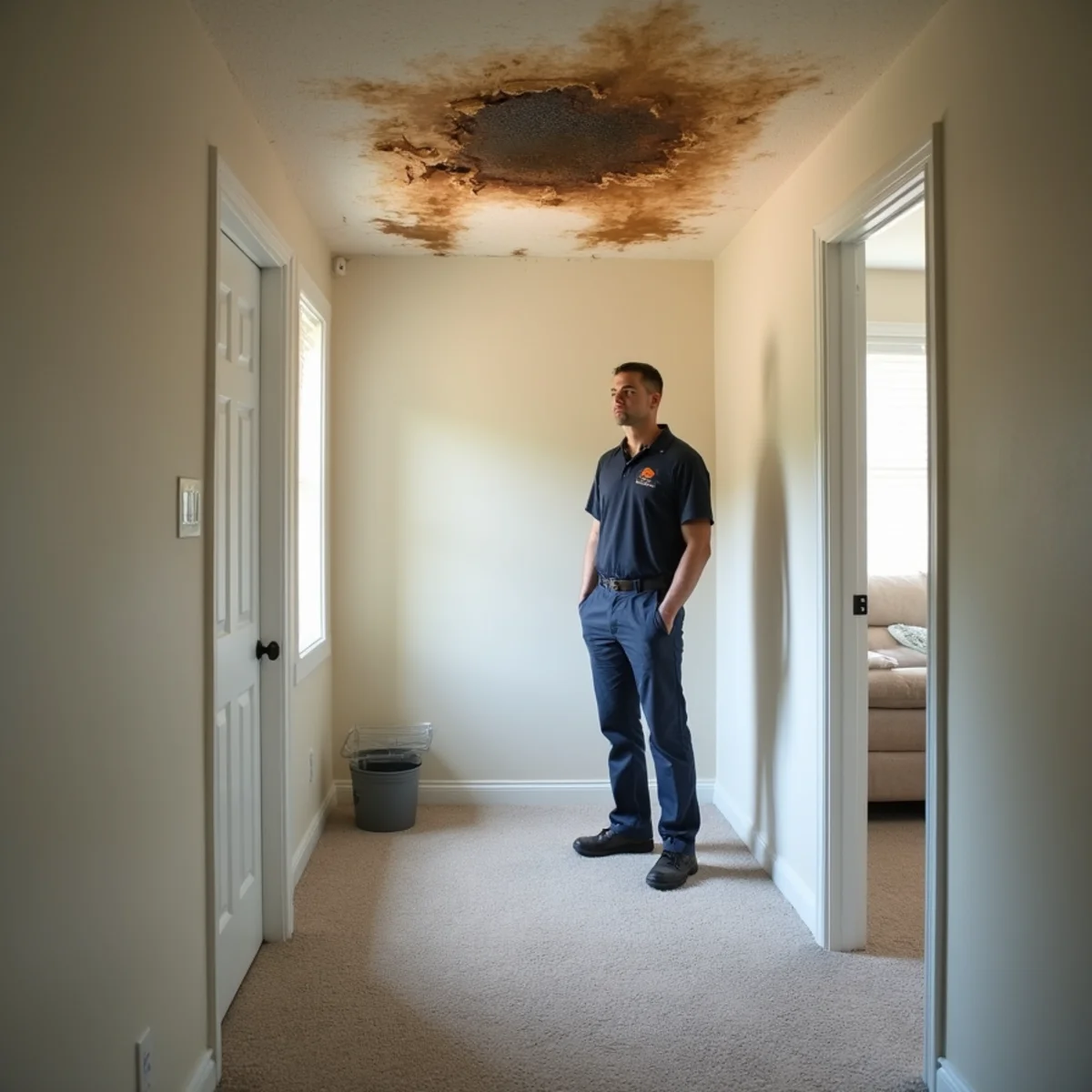
Attic Water Heater Leaks: Why Katy Ceilings Come Down and What to Do
Two-story Katy homes often keep the water heater in the attic. When it fails, ceilings come down. Warning signs, what to shut off and how the crew dries both floors.

Insurance
Does Homeowners Insurance Cover Water Damage in Texas?
Sudden and accidental leaks are often covered; gradual leaks and floodwater usually aren’t. How Texas policies tend to treat common water losses, and what to document.
Get help now
Call Katy's 24/7 water damage line
For anything active (a burst pipe, a ceiling coming down, sewage in a tub, water at the back door), calling is always faster than a form. A live person answers at (831) 303-1192.
Have this ready when you call
- 1The property address and where the water is coming from
- 2The water type if you know it (clean, gray, sewage or storm water) and whether power is affected
- 3Safe photos or video, taken before anything is moved
- 4Your questions about scope, paperwork and timing
The first visit is for safety, the source, a moisture map and a written scope that keeps mitigation separate from rebuilding. It is not a commitment to every repair. We will tell you what is wet, what is safe to touch, how drying will be verified and which documents you will get. We won't promise coverage, a price before inspection, or an arrival time we can't confirm.
Not urgent? Send a request
For the fastest help, call (831) 303-1192. Or send a few details and we'll reach out.