
Mold
How Fast Does Mold Grow After a Leak in Houston-Area Humidity?
By Hydrosphere Restoration ProsUpdated 6 min read
The short answer
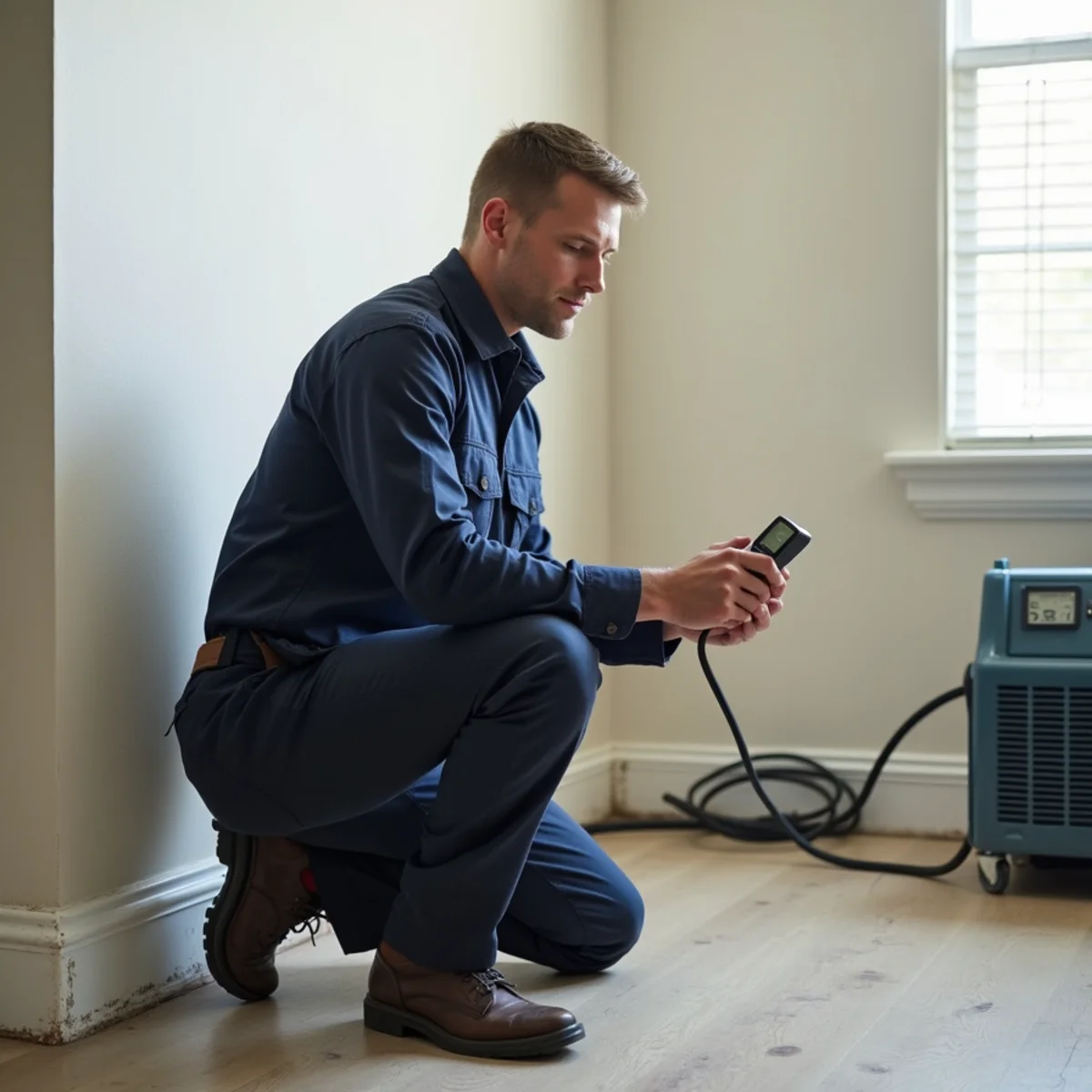
Mold can start growing on wet drywall, carpet pad and wood within 24 to 48 hours, the window the EPA gives for drying or removing wet materials. In Houston-area humidity, visible growth often follows within days to a couple of weeks if materials stay wet. Fast drying stops it: extraction, dehumidifiers and daily moisture readings.
The 24 to 48 Hour Window
The EPA’s guidance for water damage is direct: dry wet building materials and furnishings within 24 to 48 hours to prevent mold growth. Past that window, anything still wet, especially drywall paper, carpet pad, wood and cardboard, is at real risk.
That doesn’t mean the house is covered in visible mold on day three. It means the clock has started. The longer materials stay wet, the more likely growth becomes and the harder it is to clean up.
What “Growing” Actually Means
Mold spores are already present in nearly every home and in the air outside. They don’t cause trouble until they land on something wet that they can feed on, such as the paper face of drywall, wood framing or the dust in carpet.
Given moisture and warmth, spores germinate and begin to colonize the surface. Early colonization is microscopic, so you can’t see it. Visible growth, the fuzzy or speckled patches most people picture, usually shows up later, often within one to two weeks if materials stay wet. A musty smell is often the first clue that something is growing where you can’t see it.
So the real question isn’t when you’ll see mold. It’s whether the wet materials were dried before colonization took hold.
A Realistic Timeline After a Leak
- First few hours: water spreads and wicks. Drywall draws it upward, carpet pad soaks through and water runs under baseboards and cabinets. This is when extraction does the most good.
- 24 to 48 hours: the EPA window. Materials that are still wet now are at risk of colonization, even though nothing is visible yet.
- 3 to 7 days: a musty smell may show up in closed rooms, closets and sink cabinets. Clean water from a supply line can also degrade toward a dirtier category the longer it sits.
- 1 to 2 weeks and beyond: visible spotting on baseboards, the back of drywall and the underside of carpet pad becomes likely if the materials were never dried.
These ranges shift with temperature, the type of material and how much water it absorbed. Paper-faced drywall and carpet pad go fastest. Concrete and tile are slower, but the dust and film on top of them can still support growth, and a slab can hold moisture under flooring for a long time.
Why Houston-Area Humidity Speeds It Up
Mold needs moisture, and the Katy area has plenty. For much of the year the outdoor air is warm and humid, and a fresh leak adds even more water to the air inside. High humidity slows evaporation, so wet materials stay wet longer.
The EPA recommends keeping indoor relative humidity below 60 percent, ideally between 30 and 50 percent. After a leak, a house can sit well above that for days. That’s why opening the windows in August usually backfires: you pull in air that’s wetter than the air you’re trying to get rid of. Dehumidification is what brings the numbers down.
Where Mold Hides After a Leak
The visible puddle is the least of it. Water wicks and flows into places that stay damp long after the floor looks dry.
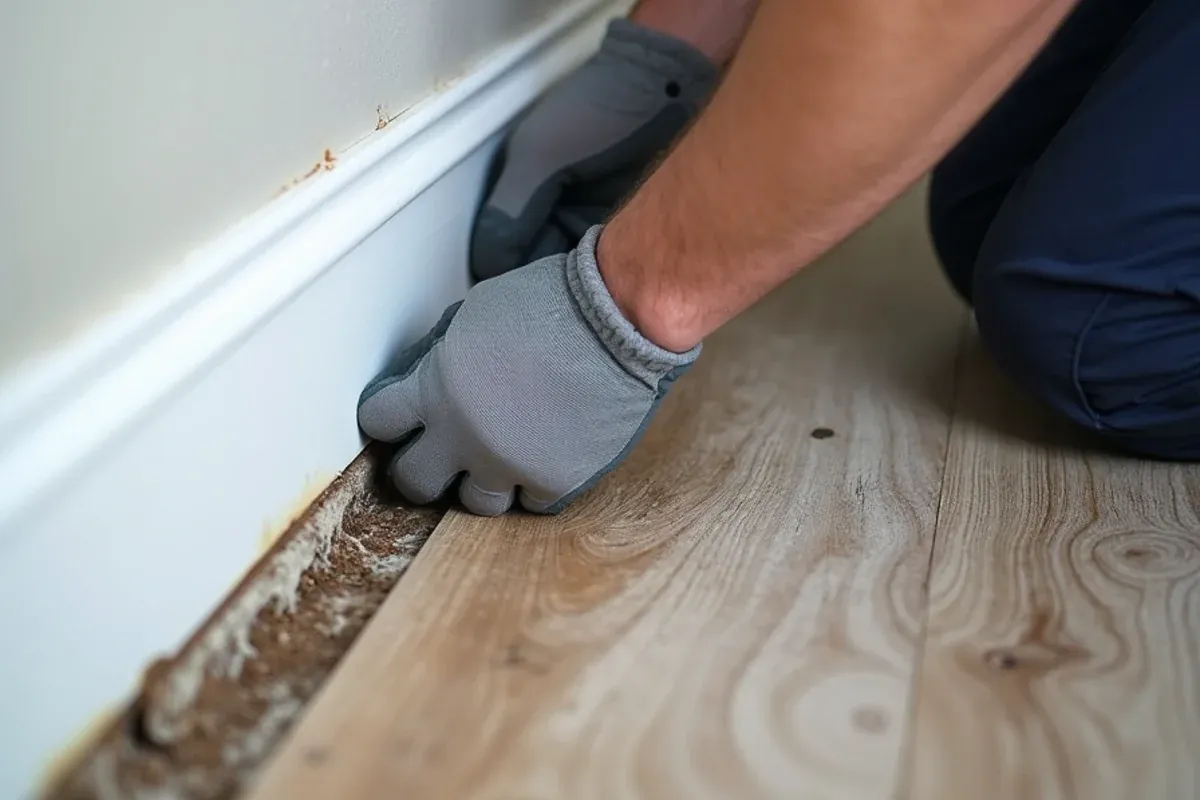
- Behind baseboards: drywall wicks water up from its bottom edge, and the back side stays wet while the painted face dries.
- Under vinyl plank and laminate: floating floors trap water between the planks and the slab or underlayment.
- Carpet pad and tack strip: the carpet dries on top while the pad underneath stays wet.
- Under cabinets: water slides under the toe-kick and sits on the slab beneath particleboard bases.
- Attic decking and insulation: after a water heater or roof leak, wet insulation holds water against the ceiling and the roof deck.
- AC closets and air handler platforms: a clogged condensate line can drip for weeks before anyone notices.
- Wall cavities behind showers and tubs: slow leaks at valves and drains stay hidden until tile loosens or paint bubbles.
Drying Is the Prevention
The only reliable way to prevent mold after a leak is to remove the water and dry the structure fast. That’s the job of water extraction and structural drying. A crew extracts standing water, removes materials that can’t be dried (usually carpet pad and swollen particleboard) and opens wall cavities where needed.
Then comes the drying setup: air movers along the walls, LGR dehumidifiers to pull moisture out of the air and moisture readings every day. The IICRC S500 standard guides this work. Drying is finished when readings in wet materials match readings in unaffected materials of the same type, not when the surface feels dry to the touch.
If water is still coming in, start with our 24/7 emergency water damage line. Every hour saved at the start shortens the window mold has to work with.
Newer Homes Can Hide Water Too
A new house isn’t immune. In Fulshear, almost all homes are under 15 years old, and common leaks come from supply line fittings, upstairs laundry rooms and attic air handler condensate lines. Tight modern construction holds humidity in, and floating vinyl plank floors keep water out of sight.
An upstairs washer leak can run into a first-floor wall cavity and sit there. Without moisture readings, you might not know until a baseboard stains or a musty smell shows up weeks later.
When Mold Becomes a Regulated Job in Texas
A small spot of surface mold on a hard, non-porous surface is something many homeowners clean themselves. Larger jobs are different. In Texas, mold remediation of 25 contiguous square feet or more generally must be done by a mold remediation contractor licensed by the Texas Department of Licensing and Regulation (TDLR). The same license holder can’t both assess and remediate the same project, so an independent licensed assessor writes the protocol and later confirms clearance.
Remediation means containment, negative air with HEPA air scrubbers, removal of contaminated porous materials and cleaning. An antimicrobial goes on after cleaning, not instead of removal, and bleach on drywall doesn’t solve the problem. After clearance, the property owner receives a Certificate of Mold Damage Remediation. Our mold remediation page explains the process, and we send mold calls only to TDLR-licensed remediators.
Dry It Before It Grows
Mold after a leak is rarely bad luck. It’s usually water that stayed in the structure too long, and in Katy-area humidity the first 24 to 48 hours matter most. If you’ve had a leak, even one that looks cleaned up, call Hydrosphere Restoration Pros at (831) 303-1192, 24/7, for moisture readings and drying by an insured crew.
From the job site
Why “it feels dry” is not the same as dry
Mold needs moisture, a food source and warmth, and a Katy house supplies the last two all year. Paper-faced drywall is cellulose, and so is the backing of many carpets. When indoor relative humidity sits above about 60 percent and temperatures stay in the 70s and 80s, those materials keep growing mold even after the surface feels dry to a hand.
The places we find growth after a leak someone thought had dried are consistent: the tack strip and pad under carpet along the wall, the back side of drywall behind a baseboard, the bottom of cabinet sides, and ceiling drywall under an attic line. None of them are visible, and all of them read wet on a meter.
- Judge dryness with a moisture meter against a dry reference spot, never by touch.
- Keep indoor relative humidity between 30 and 50 percent after a leak, and under 60 percent at the most.
- Pull the baseboard in the wettest spot; if the drywall behind it is stained or soft, the wall needs attention.
- A musty smell days after a leak means moisture is still there, even if nothing is visible.
- Growth over 25 contiguous square feet in Texas calls for a TDLR-licensed remediation contractor, following the IICRC S520 approach of containment and removal.
Related questions
Can mold grow in 24 hours?
Will mold go away once the area dries?
How do I know if there is mold behind my walls after a leak?
Written by the Hydrosphere Restoration Pros team for homeowners in Katy and nearby communities. General information, not legal, insurance or engineering advice: your policy, the Texas Department of Insurance and licensed professionals have the final word on your situation. Last reviewed September 2026.